
What do we mean by e-waste
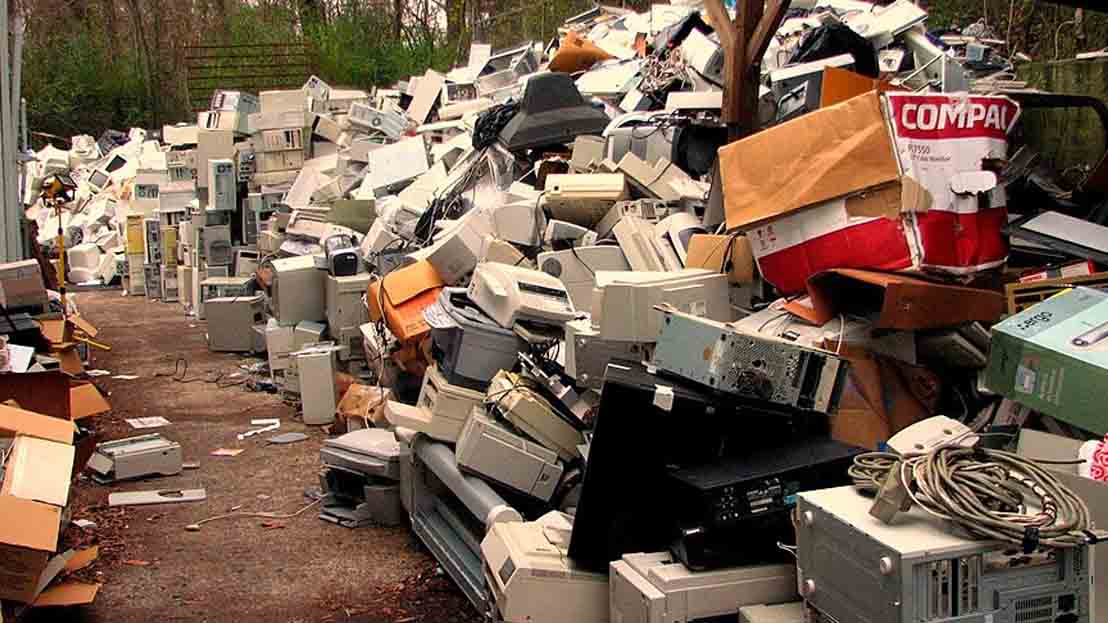
Electronic waste, commonly known as e-waste, refers to any electronic or electrical device that has reached the end of its useful life and is discarded, unwanted, or no longer functioning. In simple terms:
E-waste includes a huge range of products—from large household appliances like refrigerators and washing machines to personal devices such as smartphones, laptops, and USB sticks. It is one of the fastest-growing waste streams worldwide, driven by rapid technological change, shorter product lifespans, and increasing consumer demand.
Although e-waste contains hazardous substances that can harm people and the environment if mishandled, it also holds valuable recoverable materials like copper, gold, and aluminum, distinguishing it from traditional waste streams.
Environmental Protection
Electronic devices often contain toxic metals such as lead, mercury, and cadmium. If dumped in landfills or burned, these chemicals can leach into soil, air, and water—causing long-term ecological harm.

Human Health
Informal or unsafe recycling can expose workers and nearby communities to hazardous substances, leading to respiratory issues, neurological damage, and other serious health risks.
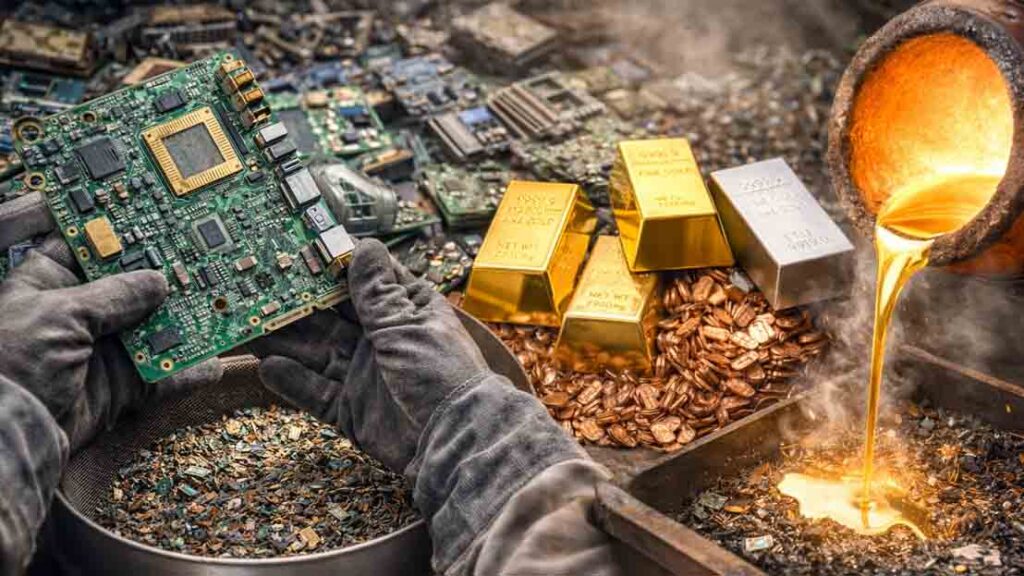
Resource Recovery
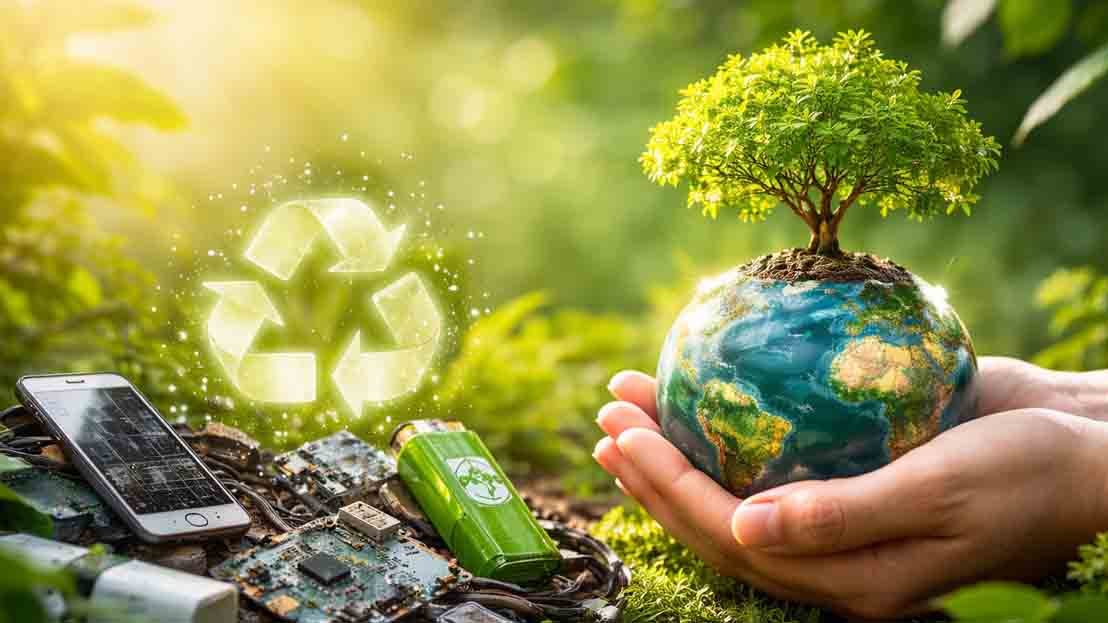
E-waste also contains valuable materials. Proper recycling helps recover precious and finite resources, reducing the need for new mining and supporting a circular economy.
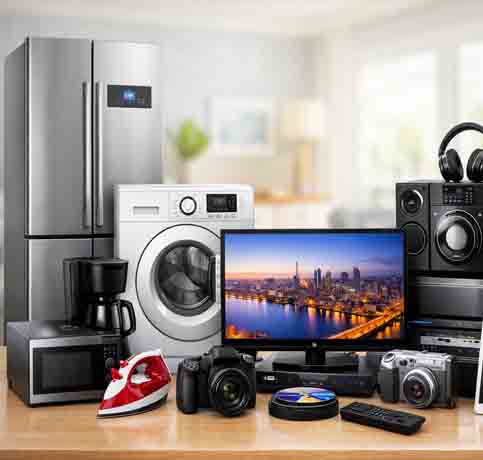
Household Appliances & Consumer Electronics
Refrigerators, washing machines, microwaves,
TVs, stereos, DVD players, Coffee makers, mixers, electric fans
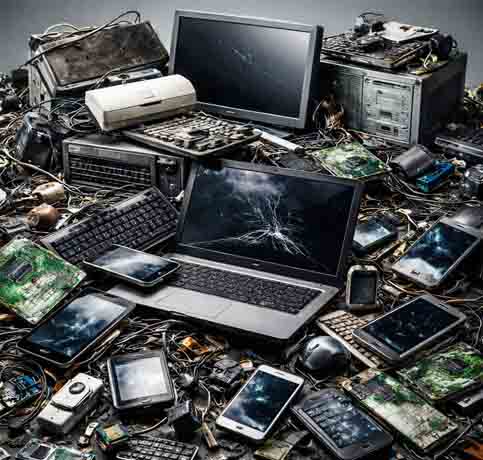
IT, Networking & Communication Devices
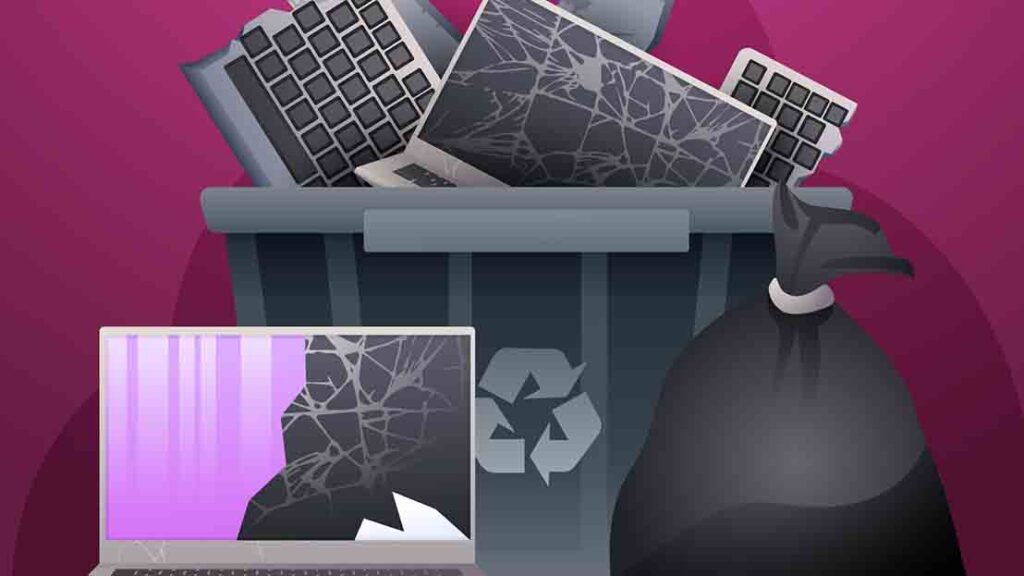
Desktop computers, laptops, monitors, Smartphones, tablets, circuit boards, External drives, UPS units, power supplies
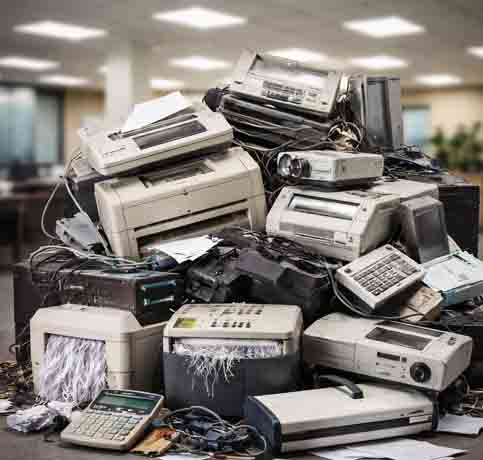
Office & Utility Equipment
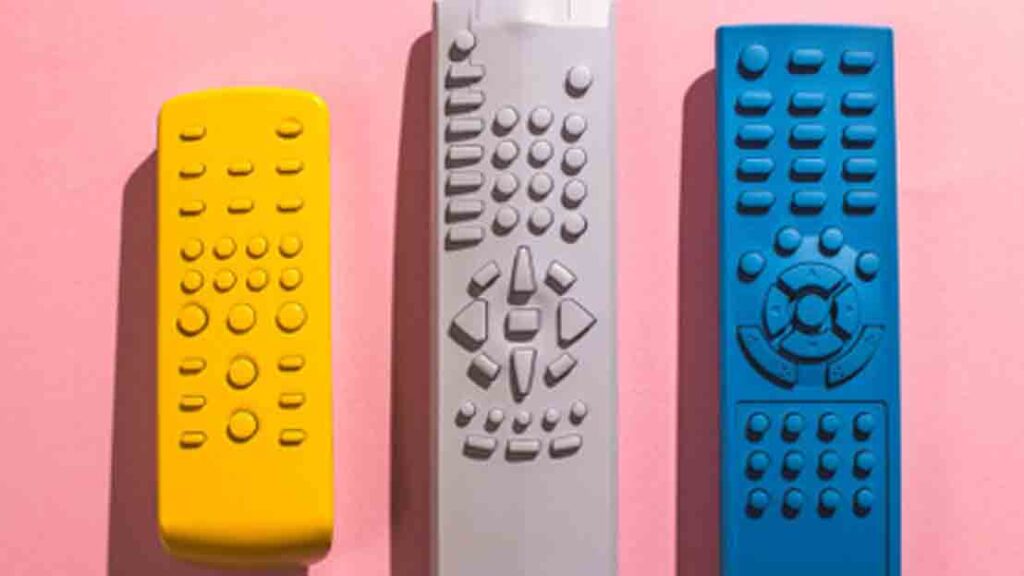
Printers, copiers, servers, Network hardware and cables, Remote controls, smart lights, medical devices